Marine and Estuary Monitoring: Specifying an Underwater Level Logging Kit
A marine monitoring package should make the supplied equipment and the site-engineering requirements clear. For estuary research, coastal infrastructure studies or tidal wetlands, begin with the intended record: historical water levels collected during site visits, or live measurements sent to an operational dashboard.
A clear base package
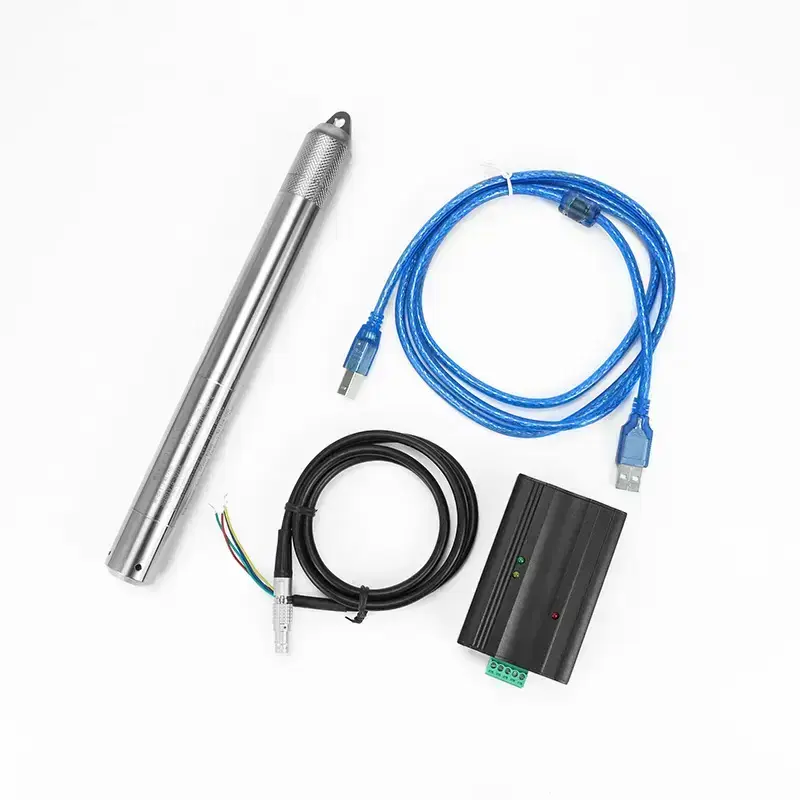
The ProSight Marine Underwater Level Logging Kit uses the titanium-housed PWL755 recorder with internal battery and memory. The base listing includes the selected logger and specified USB-to-RS485 converter cable. Its five water-level ranges run from 0–5 m to 0–100 m. The marine base configuration starts at A$4,021 excluding GST; the freshwater instrument is a separate selection.
Engineer the deployment around the site
Mounting and recovery hardware, a protective tube and installation services are separately scoped. Provide drawings or photographs of the site and describe tidal exposure, sediment, debris and access constraints. Confirm the complete wetted-material compatibility before deployment. A titanium housing is a configuration choice, not a promise that every installation is maintenance-free.
Specify the measurement reference
An absolute-pressure logger needs barometric correction to derive water depth. Water density matters in brackish and saline conditions. Agree the reference datum, correction method and independent check measurements with the study team. Keep the installation record and any changes to the mounting position with the time series.
Choose retrieval or telemetry
Periodic downloads can suit a research campaign with scheduled field visits. A live reporting requirement changes the system scope: compatible communications hardware, power, connection arrangements, software and ongoing services must be specified. The base self-contained kit does not include cellular connectivity, a SIM, a cloud subscription or live alarms.
Prepare the project brief
Send ProSense the water type, maximum depth, expected variation, required accuracy, deployment duration and recording interval. Include site count, access frequency and preferred data format. If alerts are needed, define who should receive them and the response process. These details support a realistic equipment and integration quotation before installation work begins.