.png)
Why Australian Businesses Trust ProSense for Monnit Solutions
- 6 days ago
- 8 min read
A monitoring project rarely fails because one sensor was the wrong size. It usually fails because the whole system was not planned as a system.
The sensor, gateway, wireless path, alert rules, software setup, mounting location and local environment all affect the result. A temperature sensor in a cold room, a water detection sensor under plant equipment, and a door sensor on a remote shed may all look simple at first. Each one still needs the right network path, power plan, alarm logic and installation approach.
That is where ProSense adds value for Australian businesses using Monnit. Rather than treating monitoring as a box of parts, ProSense supports the full path from sensor selection through to iMonnit setup, gateway configuration, deployment planning and troubleshooting.
The result is a monitoring system that gives useful information, not just more data.

Monitoring works best when every part fits together
Wireless monitoring is often appealing because it can start small. A business may begin with one cool room, one machine, one pump area or one storage zone. From there, it can expand across more assets as the value becomes clear.
That flexibility is one of the strengths of Monnit systems. Yet it also means early choices matter.
A complete monitoring setup may include:
Wireless sensors for temperature, humidity, water, movement, current, pressure, open and closed status, or other measurements
A gateway to receive sensor data and send it to the cloud
Local network, cellular or other connection planning
iMonnit software setup
Alarm rules for email, SMS or platform notifications, where supported
Battery and maintenance planning
Physical mounting and enclosure choices
Testing in real operating conditions
If one part is overlooked, the whole setup can become less useful. A sensor may collect valid readings, but if the gateway is poorly placed, data may be delayed. Alerts may exist, but if thresholds are too broad or too sensitive, staff may ignore them. Software may display readings, but if devices are not named clearly, teams may struggle to act quickly.
Good monitoring is not just measurement. It is measurement that people can understand and use.
ProSense starts with the application, not the catalogue
Choosing a sensor sounds simple until the operating environment is considered.
A fridge, a warehouse, a plant room, a water treatment area and an agricultural shed all create different conditions. Temperature range, moisture, distance, wall materials, electrical noise, access limits and maintenance routines can all affect sensor choice.
ProSense works from the application first. That means asking practical questions before recommending hardware.
What is being measured?
How quickly does the value need to change before someone acts?
Where will the sensor be mounted?
How far is it from the gateway?
Will the device face heat, cold, condensation, vibration or washdown?
Who needs to receive alerts?
What should happen when an alarm is triggered?
This approach helps avoid common mistakes, such as placing a sensor where it reads a local hot spot rather than the true room condition, or choosing a device without considering how staff will service it later.
Sensor selection needs context
A sensor is only useful if it fits the job.
For example, monitoring a refrigerated cabinet is not the same as monitoring a large cool room. A cabinet may need a compact device in a tight space. A cool room may need placement that avoids door drafts, evaporator airflow or product stacking issues.
A water leak application may need a puck-style sensor, a detection rope or another arrangement depending on the floor area and risk point. Monitoring an electrical load may call for a current sensor, but the right setup depends on the conductor size and what the reading will be used for.
ProSense helps customers match Monnit sensors to the real-world measurement point. That includes the sensor type, mounting method and data interval. It also includes whether the reading will support compliance checks, maintenance decisions, operational awareness or early warning.
Gateway choice affects reliability
The gateway is the bridge between the sensors and iMonnit. It is easy to focus on the devices at the measurement points and forget that the gateway must be in the right place to receive and send data reliably.
Gateway planning may involve:
Site layout
Construction materials
Distance between sensors and gateway
Available network connections
Cellular coverage where relevant
Power access
Future expansion plans
In Australia, this can vary widely. A monitoring point in a metropolitan warehouse has different network conditions from one in a regional pump station or farm shed. A national rollout may also need different gateway choices across different sites.
ProSense can help plan gateway configuration so a small system has a stable foundation and a larger system can grow without avoidable rework.
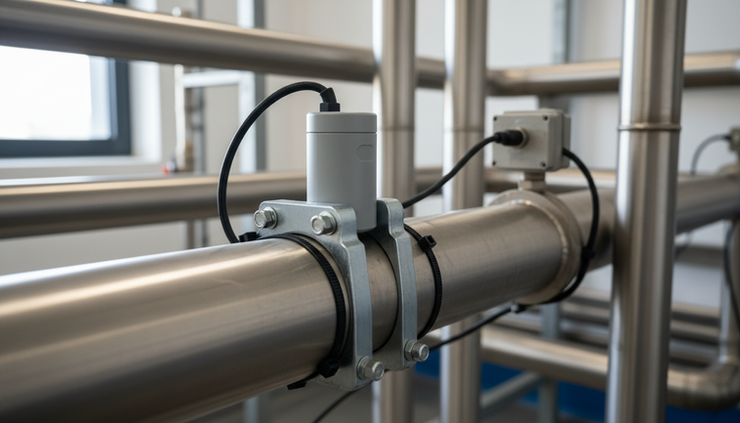
iMonnit setup turns readings into useful information
A monitoring platform should make it easier to act, not harder.
iMonnit gives customers a central place to view Monnit sensor readings, device status and alerts. The value comes from setting it up in a way that matches the site and the team using it.
A rushed setup can create confusion. Devices named only by serial number, vague alarm thresholds or poorly grouped locations make the system harder to use. Over time, that can reduce trust in the data.
ProSense supports iMonnit setup with practical structure, including clear device naming, site grouping and alarm planning. This matters when a business has multiple sensors, multiple sites or different people responsible for different assets.
Alarm rules need careful thinking
Alarms should be clear, relevant and manageable.
If an alarm triggers too often, people stop treating it seriously. If it triggers too late, it may not give enough warning. If it goes to the wrong person, no one takes timely action.
A useful alarm rule considers:
The normal operating range
The risk of short spikes or dips
The time delay before notification
The people who need to know
The action expected after the alert
The difference between warning and critical conditions
For example, a cold storage area may need a warning threshold before a critical threshold. A door sensor may need a short delay so normal access does not trigger unnecessary alerts. A water detection sensor may need immediate notification because any detection could be important.
ProSense can help customers design alarm logic that supports faster decisions without creating alert fatigue.
Data interval and battery life need balance
More frequent readings are not always better.
A sensor checking very often may give more detail, but it can also affect battery life and data volume. In some applications, a wider interval gives enough information. In others, shorter intervals may be needed because conditions change quickly.
The right setting depends on the measurement and the risk. ProSense helps customers set reporting intervals with the application in mind, rather than using the same settings everywhere.
That practical balance helps keep the system useful over time.
Deployment planning reduces surprises on site
A monitoring system may look straightforward on paper until it meets a real building, yard or remote asset.
Walls, metal racking, refrigeration panels, moving vehicles, electrical equipment and distance can all affect wireless performance. Access can also be an issue. A sensor may be easy to specify but hard to reach once installed. A gateway may be near power but poorly positioned for wireless coverage.
ProSense supports deployment planning so these details are considered early.
That may include guidance on:
Sensor mounting height and orientation
Gateway placement
Coverage checks
Device labelling
Commissioning steps
Installation sequence
Future service access
The goal is not to make the setup more complicated. It is to prevent avoidable problems after the system is already in use.
Australian conditions add extra considerations
Monitoring equipment in Australia may face heat, dust, humidity, salt air, storms, long distances and mixed network coverage. Conditions can change sharply between a food facility in a capital city, a remote utilities site, a rural shed and a coastal plant room.
A practical system needs to suit the environment. That may shape enclosure choices, mounting locations, gateway options and service routines.
ProSense brings an application-focused approach to these decisions. For businesses with sites across the country, that support helps keep the monitoring strategy consistent while still allowing for local conditions.

Troubleshooting support matters after installation
Even well-planned systems sometimes need adjustment.
A site may change its layout. New equipment may be installed. A sensor may be moved. Battery levels may need attention. Network conditions may shift. Alarm rules may need refining once real data starts coming in.
ProSense supports customers beyond the initial hardware choice. Troubleshooting can help identify whether an issue relates to placement, gateway communication, network access, device settings, battery condition or alarm configuration.
That support matters because many monitoring problems are not obvious from a single symptom.
For example, missed readings may not mean the sensor has failed. The cause could be distance, obstruction, interference, gateway placement, power disruption or configuration. An alarm problem may relate to thresholds, notification routing or timing rather than the sensor itself.
By working through the system as a whole, ProSense helps customers get back to useful monitoring faster.
Small systems can grow into wider monitoring networks
One of the practical advantages of Monnit is that customers can begin with a focused monitoring package.
A business might start by monitoring:
A single cool room
A freezer
A water leak risk area
A pump station
A sensitive storage location
A critical door or access point
A machine condition indicator
Starting small can make sense. It allows teams to prove the value of monitoring, learn the software and refine alert processes before expanding.
As more measurement points are required, the system can grow. More sensors can be added. Additional gateways may be planned for wider coverage. Sites can be grouped more clearly in iMonnit. Alarm pathways can be adjusted as teams become more confident.
ProSense helps customers plan for that growth from the beginning. This avoids a common issue where a small pilot works well, but expansion becomes messy because naming, grouping, gateway placement or alarm design was not considered early.
A good first installation should make the next one easier.
Better monitoring supports faster operational decisions
The main point of monitoring is not to collect readings for the sake of it. It is to help people make better decisions sooner.
Useful monitoring can support:
Faster response to equipment or environmental changes
Better visibility across unmanned or hard-to-access areas
More consistent checks across multiple sites
Reduced reliance on manual inspection alone
Clearer records of operating conditions
Earlier warning when something moves outside the expected range
For example, a facilities team may see that a plant room temperature is rising before equipment alarms occur. A food storage operator may receive an alert before a cold area drifts too far from its target range. A maintenance team may spot a pattern that helps plan a site visit before a failure becomes urgent.
The value comes from making the information timely, relevant and easy to interpret.
That is why Australian businesses trust ProSense for Monnit solutions. ProSense focuses on how the system will work in practice, from the first sensor through to the people who need to respond.
What makes ProSense a trusted Monnit partner
Many suppliers can provide hardware. ProSense adds value by helping customers build a system that works in the field.
That support includes:
Application-first advice
ProSense looks at what the customer needs to measure, where it happens and what decisions the data should support.
Sensor and gateway selection
The right combination of Monnit sensors and gateways helps create a reliable foundation.
iMonnit configuration support
Clear naming, grouping and alarm setup make the platform easier to use.
Deployment planning
Practical guidance helps reduce issues caused by placement, coverage and local site conditions.
Troubleshooting help
When something needs attention, ProSense can help work through the system rather than treating each device in isolation.
Room to expand
Customers can start with a small package and add more measurement points as needs grow.
This mix of product knowledge and field focus is especially useful for businesses that do not want to become wireless monitoring specialists themselves. They need a system that fits their operation and a support partner who understands the details.

The value is in the complete system
Selecting the sensor is only one part of a successful monitoring project. The rest of the system matters just as much.
A reliable gateway, suitable network connection, clear iMonnit setup, sensible alarm rules and practical installation plan all help turn raw readings into information people can use. When those parts work together, monitoring becomes more than a technical add-on. It becomes a daily decision support tool.
ProSense helps Australian customers build Monnit systems around real applications, not guesswork. Whether the project starts with one sensor or grows across many sites, that practical approach helps create monitoring that is clear, scalable and useful from the start.


