Ensure Connectivity with Network Cable Testers and Network Troubleshooting Tools
- 8 hours ago
- 4 min read
Reliable network connectivity is the backbone of modern industrial operations. Whether in manufacturing, mining, food and beverage, or water and wastewater management, uninterrupted data flow is essential for automation, monitoring, and compliance. Network cable testers and network troubleshooting tools play a critical role in maintaining this connectivity. They help identify faults, verify cable integrity, and ensure that communication lines perform optimally.
This article explores the practical applications of network cable testers, their importance in industrial environments, and how they integrate with broader network troubleshooting tools to support operational efficiency and compliance.
The Role of Network Troubleshooting Tools in Industrial Connectivity
Network troubleshooting tools are essential for diagnosing and resolving connectivity issues in complex industrial environments. These tools range from simple cable testers to advanced diagnostic instruments that analyze network performance and detect faults.
In industries such as manufacturing and logistics, where downtime can lead to significant losses, having reliable troubleshooting tools ensures quick identification and resolution of network problems. These tools help:
Verify cable continuity and wiring correctness
Detect cable faults such as breaks, shorts, or miswiring
Measure signal quality and attenuation
Identify network topology and device connections
Using these tools, engineers and maintenance teams can proactively maintain network health, reducing unplanned downtime and improving system reliability.
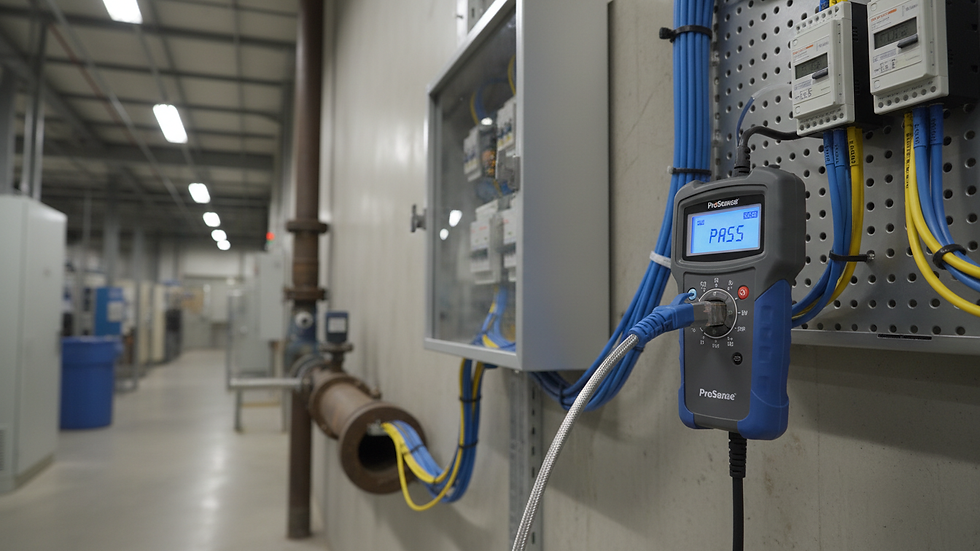
How Network Cable Testers Ensure Reliable Connectivity
Network cable testers are specialized instruments designed to test the physical layer of network infrastructure. They verify that cables meet required standards and are free from defects that could impair data transmission.
Key Functions of Network Cable Testers
Continuity Testing
Ensures that each wire within the cable is properly connected end-to-end without breaks.
Wire Mapping
Confirms that each conductor is correctly paired and terminated according to standards such as T568A or T568B.
Fault Detection
Identifies common cable issues including opens, shorts, crossed pairs, and split pairs.
Length Measurement
Measures cable length to detect unexpected breaks or splices.
Signal Quality Testing
Some advanced testers measure attenuation, crosstalk, and return loss to assess cable performance.
Practical Applications in Industry
Manufacturing: Ensuring Ethernet cables connecting sensors, controllers, and routers are fault-free to maintain automation workflows.
Mining and Heavy Industry: Testing ruggedized cables exposed to harsh environments to prevent communication failures.
Food and Beverage: Verifying cable integrity in processing plants to support real-time monitoring and compliance reporting.
Water and Wastewater: Maintaining SCADA system connectivity by regularly testing network cables.
By integrating network cable testers into routine maintenance, operations teams can detect and fix issues before they escalate into costly downtime.
Selecting the Right Network Cable Tester for Your Needs
Choosing the appropriate network cable tester depends on the complexity of your network and the specific requirements of your industry.
Basic vs. Advanced Testers
Basic Cable Testers
Suitable for simple continuity and wiring verification. Ideal for small businesses or initial installations.
Advanced Cable Testers
Provide detailed diagnostics including signal quality, length measurement, and fault location. Essential for large-scale industrial networks and compliance verification.
Features to Consider
Compatibility with cable types (Cat5e, Cat6, fiber optic)
Portability for field use
Display and Interface for easy interpretation of results
Data Logging capabilities for record-keeping and compliance
Integration with other network troubleshooting tools and software
For Australian businesses, sourcing a reliable network cable tester australia ensures access to devices suited for local standards and support.

Integrating Network Cable Testers with Broader Network Troubleshooting Tools
Network cable testers are one component of a comprehensive network troubleshooting toolkit. Other tools and technologies complement cable testing to provide a full picture of network health.
Complementary Tools Include:
Network Analyzers
Measure traffic flow, bandwidth usage, and detect packet loss or latency issues.
Signal Strength Meters
Useful for wireless network troubleshooting, especially in IoT and LoRaWAN deployments.
Data Loggers and Sensors
Monitor environmental conditions that may affect network equipment, such as temperature and humidity.
Software Platforms
Aggregate data from multiple devices for remote monitoring, alerting, and reporting.
Benefits of an Integrated Approach
Faster fault diagnosis by correlating physical cable issues with network performance data
Enhanced preventive maintenance through continuous monitoring
Improved compliance with industry standards and regulations
Reduced downtime and operational costs
ProSense offers end-to-end solutions combining sensors, data loggers, and network troubleshooting tools to optimise industrial operations and ensure compliance.
Best Practices for Using Network Cable Testers in Industrial Environments
To maximise the benefits of network cable testers, follow these practical recommendations:
Regular Testing Schedule
Implement routine cable testing as part of preventive maintenance to catch issues early.
Document Results
Keep detailed records of test outcomes to track cable health over time and support compliance audits.
Train Staff
Ensure operators and maintenance personnel are trained in using testers and interpreting results accurately.
Use Appropriate Testers
Match the tester capabilities to the network complexity and environmental conditions.
Combine with Other Tools
Use cable testers alongside network analyzers and monitoring systems for comprehensive diagnostics.
Inspect Physical Infrastructure
Regularly check cable trays, connectors, and terminations for wear or damage.
By adopting these practices, organisations can maintain robust network connectivity critical for automation and monitoring.
Enhancing Industrial Operations with Reliable Network Connectivity
Reliable network connectivity is foundational to smart monitoring and industrial automation. Network cable testers and troubleshooting tools ensure that the physical infrastructure supporting these systems is sound.
With ProSense’s expertise in IoT, sensors, data loggers, and network solutions, Australian businesses can achieve:
Improved operational visibility and control
Enhanced compliance with industry standards
Reduced downtime and maintenance costs
Smarter, data-driven decision making
Investing in quality network cable testers and integrating them into a broader network management strategy is a practical step towards resilient, efficient industrial operations.
By prioritising connectivity verification and proactive troubleshooting, industries can safeguard their critical systems and maintain continuous, reliable communication across all operational areas.


