.png)
Enhancing Crop Yields with ProSense IoT Solutions for Agriculture and Greenhouse Monitoring
- Feb 7
- 3 min read
Updated: Feb 8
Agriculture today faces many challenges, from unpredictable weather to the need for sustainable resource use. One key factor that influences crop health and livestock well-being is the environment - especially soil temperature, air conditions, and humidity. Monitoring these factors consistently can make a significant difference in crop yields and animal comfort. ProSense offers a range of IoT solutions designed specifically for farms and greenhouses, including soil probes, ambient sensors, and wireless temperature nodes. These tools help farmers and growers maintain optimal conditions, even in remote locations.
Why Monitoring Soil Temperature Matters
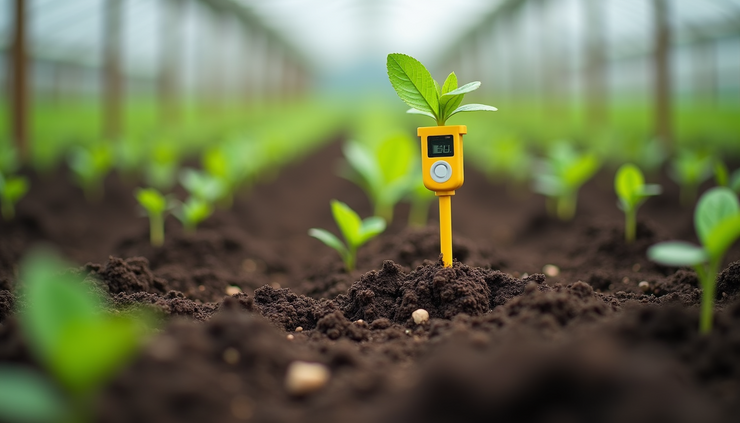
Soil temperature directly affects seed germination, root growth, and nutrient uptake. If the soil is too cold or too hot, seeds may fail to sprout or plants may become stressed. Traditional methods of checking soil temperature involve manual measurements, which can be time-consuming and inconsistent.
ProSense soil probes provide continuous, real-time data on soil temperature at various depths. This allows farmers to:
Adjust planting schedules based on accurate soil conditions
Optimize irrigation timing to avoid water stress
Detect early signs of soil temperature fluctuations that could harm crops
For example, a vegetable grower using ProSense soil probes noticed that soil temperatures dropped below optimal levels during early spring nights. By adjusting planting dates and using row covers, the grower improved germination rates by 15%.
Maintaining Ideal Greenhouse Climates
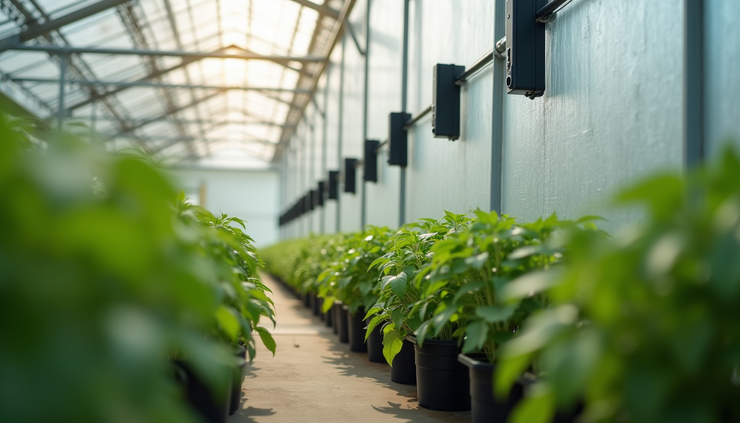
Greenhouses create controlled environments to extend growing seasons and protect plants from harsh weather. However, maintaining the right temperature and humidity inside a greenhouse is a constant challenge. Too much heat can cause plant stress, while too little can slow growth.
ProSense ambient sensors monitor air temperature, humidity, and light levels inside greenhouses. These sensors connect wirelessly to IoT networks, allowing growers to receive alerts and adjust ventilation, heating, or shading systems remotely.
Benefits include:
Preventing heat spikes that damage sensitive crops like tomatoes or orchids
Ensuring consistent humidity to reduce fungal diseases
Saving energy by running climate control systems only when needed
A flower nursery using ProSense ambient sensors reduced energy costs by 20% while improving bloom quality by maintaining stable greenhouse conditions.
Improving Livestock Shed Conditions
Livestock sheds require stable temperatures and good air quality to keep animals healthy and productive. Extreme heat or cold can cause stress, reduce feed efficiency, and increase disease risk.
ProSense wireless IoT temperature nodes are ideal for monitoring livestock sheds. These nodes provide:
Continuous temperature readings at multiple points
Alerts when temperatures move outside safe ranges
Easy installation without complex wiring
Farmers can use this data to adjust ventilation fans, heaters, or cooling systems quickly. For instance, a dairy farm using ProSense nodes detected early signs of overheating in summer. By increasing ventilation based on sensor data, the farm reduced heat stress incidents and improved milk yield.
Advantages of Wireless IoT Solutions in Agriculture
Traditional monitoring systems often rely on wired sensors or manual checks, which can be impractical for large or remote farms. ProSense wireless IoT devices offer several advantages:
Flexibility: Sensors can be placed anywhere without worrying about cables.
Scalability: Easily add more sensors as farm size or monitoring needs grow.
Remote Access: View real-time data and receive alerts on smartphones or computers.
Data Integration: Combine temperature data with other farm management tools for better decision-making.
These features help farmers respond faster to changing conditions and reduce labor costs.
Practical Tips for Using ProSense IoT Devices
To get the most from ProSense solutions, consider these tips:
Place soil probes at root zone depth for accurate temperature readings.
Install ambient sensors away from direct sunlight or water spray to avoid false readings.
Use multiple temperature nodes in large livestock sheds to capture temperature variations.
Set alert thresholds based on crop or animal tolerance levels to receive timely notifications.
Regularly check sensor calibration to maintain data accuracy.
Farmers who follow these practices report more reliable data and better environmental control.
Supporting Sustainable Farming Practices
Monitoring soil and air conditions helps reduce waste and environmental impact. For example, knowing exact soil temperature and moisture levels can prevent overwatering, saving water and reducing runoff. Maintaining optimal greenhouse climates lowers energy consumption by avoiding unnecessary heating or cooling.
ProSense IoT solutions support sustainable farming by providing precise, actionable data that leads to smarter resource use.
Final Thoughts on Enhancing Crop Yields with ProSense
Consistent monitoring of soil temperature, greenhouse climates, and livestock shed conditions plays a crucial role in improving crop yields and animal health. ProSense offers practical IoT tools that fit the needs of modern farms and greenhouses, especially those in remote areas.
By using ProSense soil probes, ambient sensors, and wireless temperature nodes, growers can make informed decisions, react quickly to environmental changes, and ultimately increase productivity. Farmers interested in improving their operations should explore how these solutions can fit into their daily routines and long-term plans.


