.png)
Unlocking Efficiency in Agriculture: The Benefits of Smart Tank Monitoring for Livestock Watering Optimisation
Water is a critical resource in agriculture, especially for livestock. Ensuring animals have a constant, reliable supply of water is essential for their health, productivity, and welfare. Yet, managing water tanks across large farms or remote locations can be challenging. Smart tank monitoring systems offer a practical solution by providing real-time data and alerts, helping farmers avoid water shortages and improve overall efficiency.
This post explores how remote monitoring stations for water tanks can transform livestock watering practices. We will discuss the key benefits, explain how tank level alerts work, and share real-world examples that demonstrate the value of these systems for agricultural professionals.
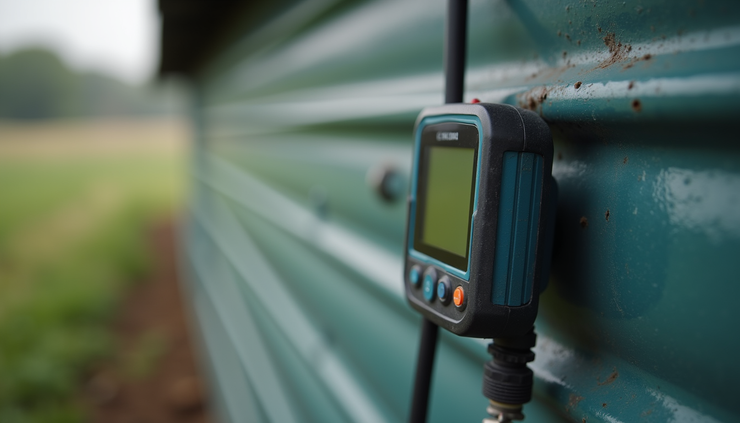
How Smart Tank Monitoring Works in Agriculture
Smart tank monitoring uses sensors installed on water tanks to measure water levels continuously. These sensors connect to remote monitoring stations that collect and transmit data via cellular networks or satellite links. Farmers can access this information through mobile apps or web dashboards, allowing them to track water availability without physically visiting each tank.
Key components include:
Level sensors that detect water height or volume
Communication modules for data transmission
Power sources, often solar panels for remote locations
User interfaces for alerts and data visualization
This technology provides a clear picture of water status in real time, enabling proactive management.
Benefits of Remote Monitoring Stations for Livestock Watering
1. Preventing Water Shortages
Water shortages can cause stress, reduce feed intake, and lower milk or meat production in livestock. Remote monitoring stations send alerts when tank levels drop below a set threshold. This early warning allows farmers to refill tanks before animals run out of water, avoiding health risks and production losses.
2. Saving Time and Labor
Traditionally, farmers or workers must check tanks manually, which is time-consuming, especially on large or remote farms. Remote monitoring eliminates the need for frequent physical inspections, freeing up labor for other tasks and reducing travel costs.
3. Improving Water Use Efficiency
By tracking water consumption patterns, farmers can identify leaks, overflows, or inefficient watering schedules. This insight helps optimize water use, reduce waste, and lower costs.
4. Supporting Better Decision-Making
Access to accurate, up-to-date water data supports informed decisions about irrigation, livestock management, and resource allocation. Farmers can plan refills, maintenance, and expansions based on real needs rather than guesswork.
Tank Level Alerts and Their Importance
Alerts are a core feature of smart tank monitoring systems. They notify farmers via SMS, email, or app notifications when water levels reach critical points. Alerts can be customized for different thresholds, such as:
Low-level alerts to prevent shortages
High-level alerts to avoid overfilling or spills
Sensor malfunction alerts to ensure system reliability
These notifications reduce the risk of water interruptions and help maintain consistent supply, which is vital for animal welfare.
Real-World Examples of Smart Tank Monitoring in Agriculture
Case Study 1: Cattle Ranch in Texas
A large cattle ranch in Texas installed smart tank monitors on 50 water tanks spread across 10,000 acres. Before installation, ranch hands spent hours daily driving to check water levels. After adopting the system:
Water shortages dropped by 90%
Labor hours for tank checks reduced by 75%
The ranch saved an estimated $15,000 annually in water and labor costs
The ranch manager noted that the alerts allowed them to refill tanks promptly, preventing dehydration during hot summer months.
Case Study 2: Dairy Farm in Wisconsin
A dairy farm with 200 cows used smart monitoring to track water consumption and tank levels. The system detected a slow leak in one tank early, which prevented a major water loss. Additionally, the farm optimized watering schedules based on consumption data, improving milk yield by 5% due to better hydration.
Case Study 3: Sheep Farm in Australia
A remote sheep farm in Australia relied on solar-powered smart sensors to monitor water tanks in isolated paddocks. The system’s alerts helped the farmer schedule water deliveries efficiently, reducing trips by half and ensuring sheep always had access to fresh water.
Practical Tips for Implementing Smart Tank Monitoring
Choose sensors compatible with your tank type and size. Different tanks (plastic, metal, concrete) may require specific sensors.
Ensure reliable communication coverage. Cellular or satellite options depend on your farm’s location.
Set alert thresholds based on your livestock’s daily water needs. This ensures timely refills.
Integrate monitoring with farm management software if possible for centralized data.
Train staff on using the system and responding to alerts.
The Future of Livestock Watering with Smart Monitoring
As technology advances, smart tank monitoring will become more affordable and accessible. Integration with weather forecasts, automated refill systems, and AI-driven analytics will further improve water management. Farmers who adopt these tools today position themselves to increase productivity, reduce waste, and enhance animal welfare.


