Transforming Data into Efficiency How Unified Sensor Platforms Revolutionise Industrial Operations
- 2 days ago
- 4 min read
Industrial sites today generate vast amounts of data through various sensors monitoring equipment, environment, and processes. Yet, many businesses still rely on manual inspections and reactive maintenance despite having access to this data. This gap between data collection and actionable insight limits operational efficiency and decision-making. Integrating sensors into a unified platform changes this dynamic by turning raw data into real-time, clear operational insights that drive smarter actions and better outcomes.

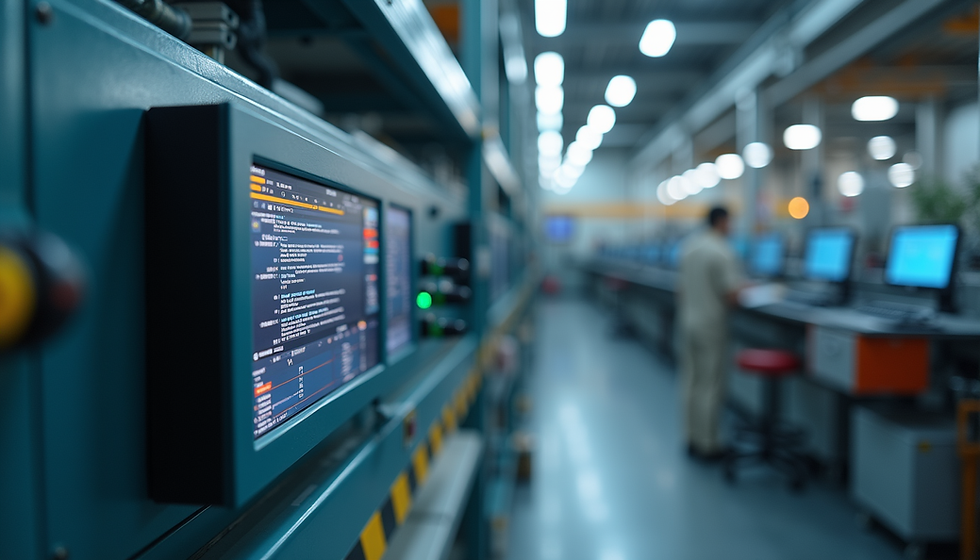
Unified sensor platform monitoring industrial equipment in real time
The Reality of Data Collection in Industrial Sites
Many industrial operations have invested in sensors to monitor temperature, pressure, vibration, and other critical parameters. These sensors collect valuable data continuously. However, the data often remains siloed in separate systems or stored without immediate analysis. As a result, maintenance teams still perform manual checks or wait for equipment failures before taking action.
This reactive approach leads to:
Unexpected downtime
Higher repair costs
Reduced equipment lifespan
Safety risks
For example, a manufacturing plant might have vibration sensors on motors but only review the data during scheduled maintenance. If a motor starts to fail between checks, the problem goes unnoticed until it causes a breakdown.
Why Manual Checks and Reactive Maintenance Persist
Several factors contribute to the continued reliance on manual processes:
Data Overload: Raw sensor data can be overwhelming without tools to filter and interpret it.
Lack of Integration: Sensors from different vendors or departments often operate independently.
Limited Real-Time Access: Data may be stored locally or in formats that are not easily accessible on demand.
Skill Gaps: Staff may lack training in data analysis or the use of digital tools.
Cost Concerns: Upgrading to integrated platforms can seem expensive or complex.
Despite these challenges, the cost of ignoring real-time insights often exceeds the investment needed to modernize data management.
How Unified Sensor Platforms Transform Raw Data
A unified sensor platform connects all sensors across an industrial site into a single system. This platform collects, processes, and visualizes data in real time, making it easy for operators and managers to understand what is happening at any moment.
Key features include:
Centralized Data Collection: All sensor data flows into one platform regardless of source or type.
Real-Time Monitoring: Instant alerts and dashboards highlight anomalies or trends.
Data Analytics: Automated analysis identifies patterns, predicts failures, and recommends actions.
User-Friendly Interfaces: Visual tools and reports simplify complex data for quick decisions.
Remote Access: Teams can monitor operations from anywhere, improving responsiveness.
By transforming raw data into clear, actionable information, these platforms enable proactive maintenance and smarter operational choices.
Benefits of Real-Time Operational Insights
Improved Decision-Making
When operators have access to up-to-date information, they can make faster and more accurate decisions. For example:
Detecting early signs of equipment wear allows scheduling maintenance before breakdowns.
Adjusting process parameters in response to sensor feedback improves product quality.
Prioritizing repairs based on severity reduces downtime and maintenance costs.
Increased Operational Efficiency
Unified platforms help optimize resource use and reduce waste:
Energy consumption can be monitored and adjusted to avoid excess use.
Production bottlenecks become visible, enabling targeted improvements.
Inventory management benefits from better forecasting based on equipment status.
Enhanced Safety and Compliance
Real-time alerts about hazardous conditions help prevent accidents. Continuous monitoring also supports regulatory compliance by maintaining detailed records.
Real-World Examples of Unified Sensor Platforms in Action
Case Study 1: Chemical Plant Reduces Downtime by 30%
A chemical manufacturing facility integrated its temperature, pressure, and flow sensors into a unified platform. The system detected subtle pressure fluctuations indicating valve wear. Maintenance was scheduled proactively, avoiding a potential shutdown. The plant reported a 30% reduction in unplanned downtime within six months.
Case Study 2: Food Processing Facility Improves Quality Control
A food processing company used a unified sensor platform to monitor humidity and temperature across production lines. Real-time data allowed operators to adjust conditions instantly, reducing product defects by 15% and lowering waste.
Case Study 3: Mining Operation Enhances Equipment Lifespan
A mining site connected vibration sensors on heavy machinery to a centralized platform. Predictive analytics identified machines at risk of failure, enabling timely repairs. Equipment lifespan increased by 20%, saving millions in replacement costs.
Steps to Modernize Data Management with Unified Sensor Platforms
Assess Current Sensor Infrastructure
Identify all sensors in use and their data formats.
Choose a Compatible Platform
Select a system that supports multiple sensor types and offers real-time analytics.
Plan Integration and Training
Develop a roadmap for connecting sensors and training staff on new tools.
Implement in Phases
Start with critical equipment or processes to demonstrate value.
Monitor and Improve
Use insights to refine operations and expand platform use.
Final Thoughts on Embracing Unified Sensor Platforms
Industrial sites generate valuable data every day, but without integration and analysis, this data remains underused. Unified sensor platforms unlock the potential of this information by providing real-time insights that improve decision-making, increase efficiency, and enhance safety.
Businesses that move beyond manual checks and reactive maintenance position themselves for stronger performance and competitiveness. Taking steps to modernize data management is no longer optional but essential for thriving in today’s industrial landscape.
Consider evaluating your current sensor data practices and explore how a unified platform could transform your operations. The investment in better data use pays off in smoother processes, lower costs, and greater confidence in your industrial site’s performance.