The Impact of Automation Control for Industries
- 1 day ago
- 4 min read
Industrial automation has become a cornerstone of modern industry, driving efficiency, reliability, and compliance across a wide range of sectors. From manufacturing plants to water treatment facilities, automation control systems enable businesses to optimise operations, reduce downtime, and improve safety. This article explores the practical impact of automation control for industries, focusing on real-world outcomes and how these systems are applied in various environments.
Understanding Automation Control for Industries
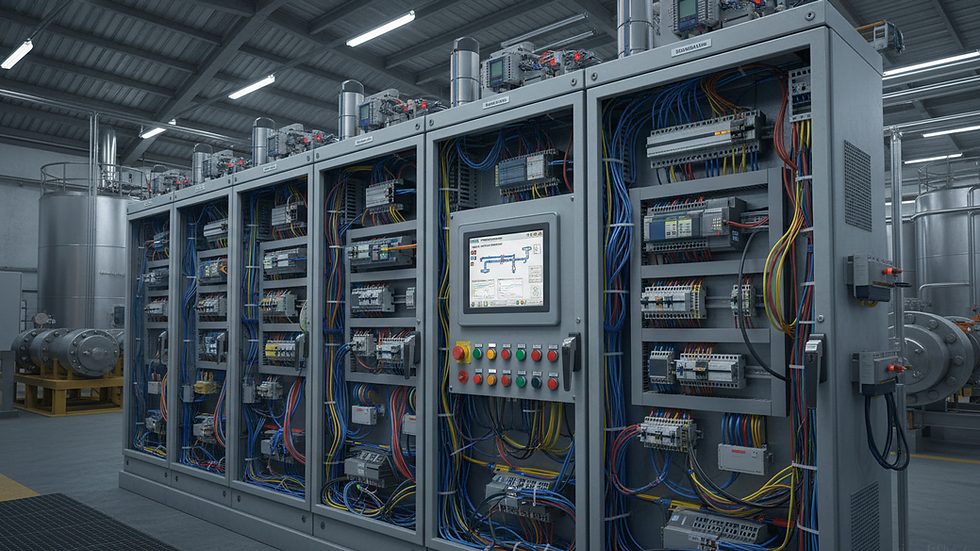
Automation control for industries refers to the use of technology to manage and regulate industrial processes with minimal human intervention. These systems collect data from sensors and instruments, analyse it, and then execute control actions to maintain desired operational conditions. The goal is to improve process consistency, reduce errors, and increase overall productivity.
In sectors such as manufacturing, mining, food and beverage, and water management, automation control systems help maintain uptime and ensure compliance with regulatory standards. For example, in a food processing plant, automated temperature and humidity controls ensure product quality and safety. In mining, automation can monitor equipment health to prevent unexpected failures and costly downtime.
ProSense specialises in providing end-to-end solutions that include IoT sensors, data loggers, and wireless monitoring systems. These technologies enable industries to gather accurate data remotely and make informed decisions quickly. Using communication protocols like Radio Signal, LoRaWAN, 4G/5G, and USB download, ProSense’s systems deliver reliable performance even in harsh environments.
Key Benefits of Automation Control for Industries
Automation control systems offer several tangible benefits that directly impact operational efficiency and business outcomes:
Increased Uptime: Automated monitoring detects anomalies early, allowing for preventive maintenance before breakdowns occur.
Improved Compliance: Continuous data logging ensures that processes meet regulatory requirements and simplifies reporting.
Enhanced Reliability: Consistent control reduces variability in production, leading to higher quality outputs.
Operational Efficiency: Automation reduces manual intervention, freeing staff to focus on higher-value tasks.
Remote Monitoring: Wireless sensors and IoT devices enable real-time visibility of operations from any location.
For instance, in water and wastewater treatment, automated control systems regulate chemical dosing and flow rates to maintain water quality standards. This reduces the risk of non-compliance and environmental harm. Similarly, in cold chain logistics, temperature sensors linked to automation systems ensure that perishable goods remain within safe temperature ranges during transport and storage.
ProSense’s integrated approach combines sensors, data loggers, and software platforms to provide a complete monitoring and control solution. This helps businesses optimise resource use, reduce waste, and improve safety.
What are the three types of control systems in automation?
Automation control systems generally fall into three categories, each suited to different industrial applications:
Open-Loop Control Systems
These systems operate without feedback. They execute predefined commands regardless of the output. Open-loop control is simple and cost-effective but less precise. An example is a conveyor belt running at a fixed speed without adjustment based on load.
Closed-Loop Control Systems
Also known as feedback control systems, these monitor output variables and adjust inputs to maintain desired conditions. For example, a temperature control system in a furnace measures heat and adjusts fuel flow to keep the temperature steady.
Programmable Logic Controllers (PLCs)
PLCs are specialised computers designed for industrial automation. They can execute complex control logic, handle multiple inputs and outputs, and integrate with other systems. PLCs are widely used in manufacturing lines, mining operations, and infrastructure management.
Each type of control system has its place depending on the complexity, precision, and flexibility required. ProSense’s engineering team customises solutions to match the specific needs of each industry and application.

Applications Across Multiple Industries
Automation control systems are versatile and find applications in many sectors:
Manufacturing and Industry 4.0
Automation enables smart factories where machines communicate and self-adjust to optimise production. Sensors monitor equipment health, energy use, and product quality in real time.
Mining and Heavy Industry
Automated control improves safety by monitoring hazardous conditions and controlling heavy machinery remotely. It also enhances equipment reliability through predictive maintenance.
Food and Beverage
Precise control of temperature, humidity, and processing times ensures product consistency and compliance with food safety standards.
Water and Wastewater
Automation regulates treatment processes, chemical dosing, and pump operations to maintain water quality and reduce operational costs.
Shipping and Logistics
Sensors track environmental conditions in storage and transport, while automation systems manage inventory and workflow.
Construction and Infrastructure
Automated monitoring of structural health, environmental conditions, and equipment status supports safer and more efficient project management.
ProSense’s solutions integrate seamlessly into these environments, providing reliable data collection and control capabilities. Their wireless monitoring systems are particularly valuable in remote or harsh locations where traditional wiring is impractical.
Practical Recommendations for Implementing Automation Control
For organisations considering automation control systems, the following steps can help ensure successful deployment and maximise benefits:
Assess Operational Needs
Identify critical processes that would benefit from automation. Consider factors like downtime costs, compliance requirements, and safety risks.
Select Appropriate Sensors and Instruments
Choose devices that provide accurate, reliable data under your specific environmental conditions. ProSense offers a range of industrial-grade sensors suitable for diverse applications.
Plan for Integration
Ensure the automation system can communicate with existing equipment and software. Compatibility with IoT platforms and wireless protocols like LoRaWAN or 4G/5G is essential for scalability.
Implement Data Logging and Monitoring
Continuous data collection supports compliance reporting and enables proactive maintenance. Use software tools to visualise data and generate actionable insights.
Train Staff and Establish Procedures
Equip operators and maintenance teams with the knowledge to use automation systems effectively. Define clear protocols for responding to alerts and system updates.
Review and Optimise
Regularly analyse system performance and adjust control parameters to improve efficiency and reliability.
By following these guidelines, businesses can reduce manual errors, improve process control, and achieve measurable improvements in uptime and compliance.
Enhancing Industrial Operations with ProSense Solutions
ProSense delivers comprehensive solutions that cover the entire automation control spectrum - from sensor to system. Their expertise spans IoT devices, wireless monitoring, and custom engineering tailored to industrial environments.
Using advanced communication technologies such as Radio Signal, LoRaWAN, and cellular networks, ProSense ensures data integrity and accessibility. Their instruments provide precise measurements critical for process control, while their engineering services enable seamless integration and automation customisation.
This holistic approach supports industries in achieving smarter, safer, and more efficient operations. Whether monitoring a single site or managing multi-location systems, ProSense’s technologies empower businesses to make data-driven decisions and maintain competitive advantage.
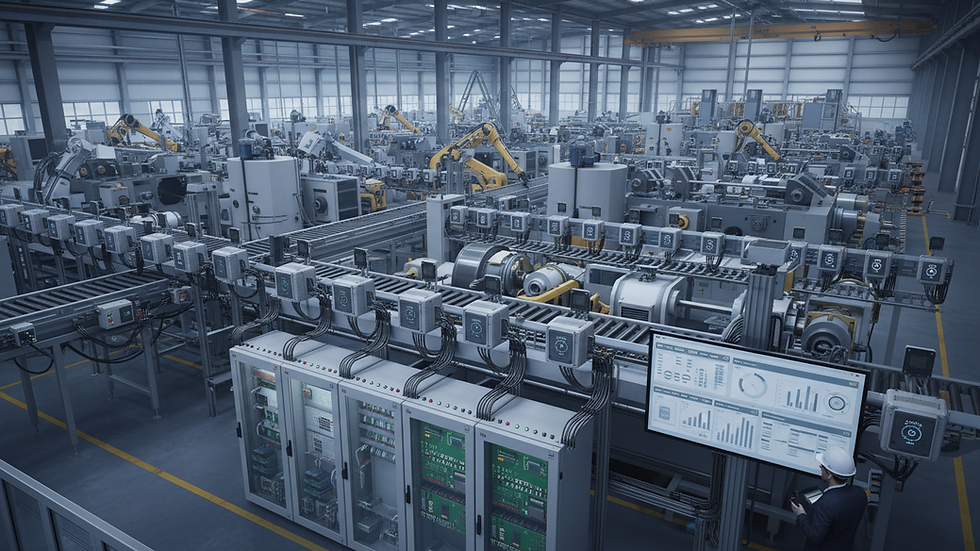
Automation control for industries is no longer a luxury but a necessity for maintaining operational excellence. By leveraging reliable, industrial-grade systems, businesses can reduce downtime, ensure compliance, and optimise resource use. ProSense’s solutions provide the tools and expertise needed to navigate this transformation confidently and effectively.