The Critical Role of Monitoring and Automation in Enhancing Industrial Solutions
- 2 days ago
- 4 min read
Industrial operations face constant challenges that can disrupt production, increase costs, and compromise safety. Simply knowing that something has gone wrong is no longer enough to maintain smooth and efficient processes. Today, monitoring combined with automatic responses plays a vital role in preventing downtime, reducing risks, and improving overall performance.
This post explores why monitoring alone falls short, the benefits of automatic responses in industrial settings, and how ProSense integrates monitoring, programmable logic controllers (PLCs), and automation to deliver comprehensive solutions. Real-world examples will illustrate how these systems make a tangible difference. By the end, you will understand why adopting a proactive approach is essential for modern industrial operations.
Why Knowing a Problem Exists Is Not Enough
In many industrial environments, operators rely on alarms or manual checks to detect issues. While this approach provides awareness, it often leads to delayed reactions and costly consequences.
Delayed response times: When a fault is detected only after it causes a problem, the time taken to identify, diagnose, and fix the issue can lead to extended downtime.
Human error: Manual monitoring depends on personnel being alert and available. Fatigue, distractions, or lack of expertise can cause missed warnings.
Limited data insight: Basic monitoring may only signal that something is wrong without providing detailed information on the cause or severity.
For example, in a manufacturing plant, a temperature sensor might alert staff when a machine overheats. If the response requires a manual shutdown, the delay could damage equipment or spoil products. This reactive approach increases costs and risks.
Benefits of Automatic Responses in Industrial Settings
Automatic responses take monitoring to the next level by enabling systems to react immediately and appropriately to detected issues. This shift from reactive to proactive management offers several advantages:
Faster problem resolution: Automated systems can trigger corrective actions instantly, minimizing damage or downtime.
Consistent and reliable reactions: Automation eliminates variability caused by human factors, ensuring the right response every time.
Improved safety: Automatic shutdowns or alerts can prevent accidents before they occur.
Data-driven decisions: Integrated systems collect and analyze data continuously, helping optimize processes and predict maintenance needs.
Consider a water treatment facility where sensors detect chemical imbalances. An automated system can adjust dosing pumps in real time, maintaining water quality without human intervention. This reduces the risk of contamination and regulatory violations.
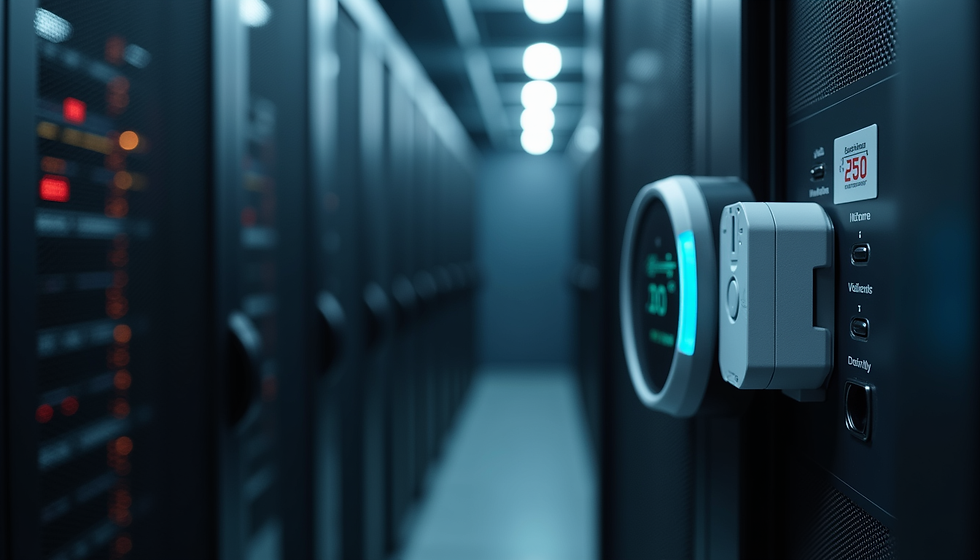
Industrial control panel showing integrated monitoring and automation
How ProSense Combines Monitoring, PLCs, and Automation
ProSense offers a comprehensive solution that integrates advanced monitoring technologies with PLCs and automation systems. This combination creates a seamless flow from data collection to action, enhancing operational efficiency and reliability.
Monitoring
ProSense uses a variety of sensors to track critical parameters such as temperature, pressure, flow, and vibration. These sensors provide real-time data that forms the foundation for decision-making.
Programmable Logic Controllers (PLCs)
PLCs act as the brain of the system, processing sensor data and executing control logic. They enable complex automation sequences tailored to specific industrial processes.
Automation
ProSense automation modules implement responses based on PLC instructions. These can include adjusting valves, starting or stopping motors, activating alarms, or initiating safety protocols.
Integrated Benefits
Real-time visibility: Operators can monitor system status through user-friendly interfaces.
Proactive maintenance: Early detection of anomalies allows scheduling repairs before failures occur.
Reduced downtime: Automated interventions prevent minor issues from escalating.
Scalability: The system adapts to various industries and process sizes.
Real-World Examples of Effective Monitoring and Automation
Case Study 1: Food Processing Plant
A food processing company faced frequent production halts due to equipment overheating. By installing ProSense sensors and PLCs, the plant automated temperature control. When sensors detected rising temperatures, the system adjusted cooling fans and alerted maintenance teams. This reduced downtime by 30% and extended equipment lifespan.
Case Study 2: Chemical Manufacturing
In a chemical plant, precise control of pressure and flow is critical. ProSense integrated monitoring and automation allowed the plant to maintain optimal conditions automatically. The system prevented dangerous pressure spikes by activating relief valves instantly, improving safety and compliance.
Case Study 3: Water Treatment Facility
A municipal water treatment plant used ProSense to monitor water quality parameters continuously. Automated dosing systems adjusted chemical levels in real time, ensuring consistent water purity. This proactive approach minimized manual labor and improved regulatory reporting accuracy.
Embracing a Proactive Approach in Industrial Operations
Industrial environments are complex and dynamic. Waiting for problems to become visible before acting leads to inefficiencies and risks. Integrating monitoring with automatic responses creates a proactive system that detects, analyzes, and reacts to issues immediately.
By adopting solutions like ProSense, companies gain:
Greater control over processes
Improved safety for workers and equipment
Lower operational costs through reduced downtime
Better compliance with industry standards
If your operation still relies on manual monitoring or reactive maintenance, consider the benefits of upgrading to an integrated monitoring and automation system. The investment pays off through increased productivity and peace of mind.
Monitoring alone only tells you when something has gone wrong. Automation ensures the right action happens right away. Together, they form the backbone of modern industrial solutions that keep processes running smoothly and safely. ProSense’s integrated approach shows how technology can transform challenges into opportunities for improvement.
Take the next step toward smarter industrial operations by exploring how monitoring and automation can work for you.