.png)
Navigating the Complex Terrain of Defibrotide Logistics Beyond Standard Operating Procedures
Managing the logistics of Defibrotide, a highly sensitive pharmaceutical product, demands far more than simply following the standard operating procedure (SOP). While the SOP clearly states the temperature requirements—2 to 8°C, keep refrigerated, do not freeze—the real challenge lies beneath the surface. Every minute of the drug’s journey must be accounted for, with no room for error or uncertainty. This post explores the hidden pressures and complexities that cold-chain leads and pharmaceutical logistics teams face when handling Defibrotide, and why data plays a critical role beyond documentation.

The Illusion of a Straight Cold Chain
On paper, transporting Defibrotide looks straightforward: refrigerated storage, transit, customs clearance, and final delivery. The SOP outlines clear temperature boundaries, and the process seems linear. In reality, the cold chain is far from a straight line. Logistics teams encounter unpredictable events that threaten product integrity:
Flight delays leave cargo exposed on airport tarmacs, risking temperature fluctuations.
Pallet transfers in transit warehouses create "blind spots" where continuous monitoring may lapse.
Micro-freezing events can occur locally within pallets, followed by a return to acceptable temperatures. These fluctuations often go unnoticed because the system averages the temperature, masking damage to the drug.
These moments, which appear normal on monitoring reports, pose the greatest risk to Defibrotide’s efficacy. The challenge is to detect and manage these hidden threats before the product reaches patients.
The Real Risk Is Not Damage But Lack of Proof
Pharmaceutical companies face intense scrutiny from quality assurance, compliance teams, customers, and insurers. When questions arise about a batch’s condition, the focus is on evidence:
Was there any temperature excursion during transit?
Did the product experience brief freezing?
Can the batch still be safely released?
Without continuous, complete, and tamper-proof temperature records, the answer is often no. The absence of reliable data means the entire batch must be scrapped to protect patient safety and comply with regulations. This risk of total loss drives the need for meticulous data collection and management.
Using Data as a Decision Tool, Not Just Documentation
Elite cold-chain teams treat temperature data as a tool for real-time decision-making rather than a post-delivery report. This approach allows for:
Early anomaly detection: Identifying temperature deviations during transit creates opportunities to intervene, such as rerouting shipments or adjusting storage conditions.
Proactive risk management: Teams can prevent product loss by acting before damage occurs.
Clear accountability: Immutable data records provide transparency and build trust with regulators and customers.
Temperature data becomes a powerful asset, enabling logistics teams to judge the condition of Defibrotide continuously and respond swiftly.
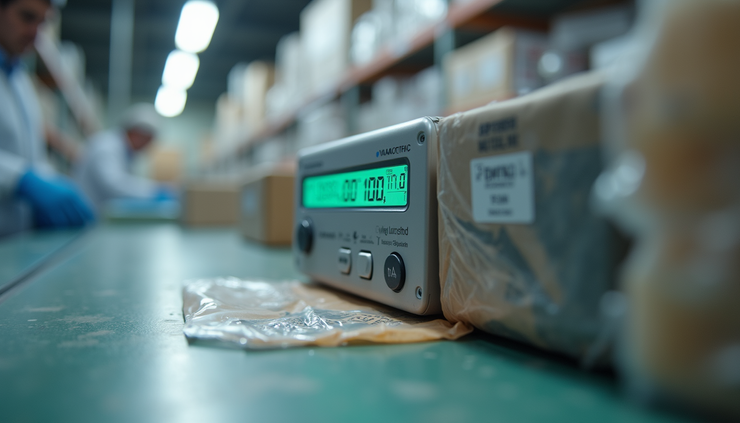
Managing Uncertainty in Cold Chain Logistics
Cold chain management is essentially about controlling uncertainty. External factors like weather, flight schedules, and port efficiency are beyond control. What logistics teams can control is the monitoring, documentation, and response to these variables.
Key strategies include:
Redundant monitoring systems: Using multiple sensors and data loggers to cover blind spots.
Real-time alerts: Automated notifications when temperature thresholds are breached.
Robust training: Ensuring all personnel understand the critical nature of handling Defibrotide.
Contingency planning: Preparing alternative routes and storage options in case of delays or equipment failure.
By focusing on these areas, teams reduce risk and maintain the integrity of the drug throughout its journey.
Practical Examples from the Field
Consider a shipment delayed overnight due to a weather event. Without real-time data, the delay could mean the cargo sits unrefrigerated for hours. With continuous monitoring, the team receives an alert and arranges for refrigerated storage at the airport, preserving the drug’s quality.
In another case, a micro-freezing event occurred during pallet transfer. The average temperature appeared normal, but detailed sensor data revealed a brief dip below freezing. The batch was quarantined and tested, preventing compromised product from reaching patients.
These examples highlight how going beyond the SOP and using detailed data can save valuable pharmaceutical products and protect patient safety.
Final Thoughts
Handling Defibrotide logistics requires more than following temperature guidelines. It demands a deep understanding of the cold chain’s complexities and a commitment to continuous, transparent monitoring. The SOP is just the starting point; the real work lies in managing uncertainty and using data to make informed decisions.
For pharmaceutical logistics teams, the takeaway is clear: invest in reliable temperature monitoring systems, train your teams thoroughly, and treat data as a critical decision-making tool. This approach not only protects the product but also safeguards patient health and company reputation.
The next step is to evaluate your current cold chain processes and identify where hidden risks might exist. Strengthening these areas will help you navigate the complex terrain of Defibrotide logistics with confidence.


