Maximising Crop Protection: How a Wireless Frost Monitoring System Transforms Farming Practices
- Apr 17
- 3 min read
Frost can devastate crops in a matter of hours, causing significant financial losses and threatening food supply. For farmers, early detection and rapid response to frost events are crucial to protect their harvest. Traditional frost monitoring methods often involve manual checks or complex systems that require extensive wiring and infrastructure. Today, wireless frost monitoring systems using 4G and NB-IoT technology offer a smarter, more efficient way to safeguard crops. This post explores how these devices work, their key features, and the benefits they bring to farmers managing vineyards, orchards, and crop zones.
How Wireless Frost Monitoring Systems Work
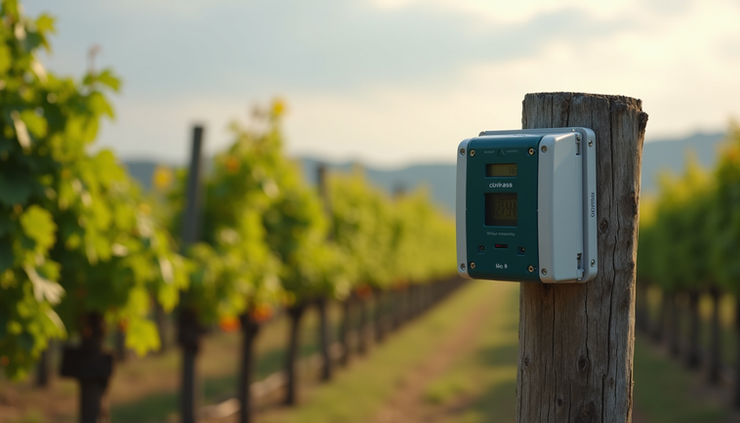
Wireless frost monitoring systems use sensors placed directly in crop zones to measure temperature and humidity in real time. These sensors connect via 4G or NB-IoT networks, which means they do not require a gateway or complicated wiring. The data collected is sent instantly to a cloud platform accessible by farmers on their smartphones or computers.
When temperatures approach frost risk levels, the system triggers alerts through SMS and email. This immediate notification allows farmers to take timely action, such as activating frost protection measures like wind machines, heaters, or irrigation.
Key Features That Benefit Farmers
Instant SMS and Email Alerts
One of the most valuable features is the ability to receive instant alerts. Instead of checking weather forecasts or manually inspecting fields, farmers get real-time warnings directly on their phones or email. This reduces response time and increases the chance of saving vulnerable crops.
No Gateway or Complicated Wiring Needed
Traditional monitoring systems often require a central gateway device and extensive wiring across fields, which can be costly and difficult to maintain. Wireless frost monitors connect directly to cellular networks, eliminating the need for extra hardware and simplifying installation. This makes the system highly scalable and adaptable to different farm sizes and layouts.
Automatic Monitoring in Various Crop Zones
Whether managing a vineyard, orchard, or open crop field, the system continuously monitors environmental conditions without human intervention. Sensors can be strategically placed in multiple zones to capture microclimate variations, ensuring comprehensive coverage and precise frost risk assessment.
Advantages of Live Temperature Readings and Historical Data
Having access to live temperature readings allows farmers to track conditions as they change throughout the night. This helps in making informed decisions about when and where to deploy frost protection methods.
Historical data stored in the system provides valuable insights into frost patterns over time. Farmers can analyze trends to identify high-risk periods and adjust planting schedules or crop selection accordingly. This data-driven approach improves long-term farm management and resilience.
Customizable Alarm Thresholds for Tailored Protection
Every crop and farm has unique frost tolerance levels. Wireless frost monitoring systems allow users to set customizable alarm thresholds based on specific temperature limits relevant to their crops. This flexibility ensures alerts are meaningful and reduce false alarms, helping farmers focus on genuine threats.
Cost-Effectiveness and Ongoing Operation
The system’s monthly operating cost is approximately $12.50, which covers data transmission and cloud services. Compared to potential losses from frost damage, this cost is minimal. The low price point makes advanced frost monitoring accessible to small and medium-sized farms, not just large commercial operations.
By avoiding expensive infrastructure and reducing crop loss risk, wireless frost monitoring offers a strong return on investment. Farmers can protect their income and improve crop quality with a reliable, affordable solution.
Practical Examples of Wireless Frost Monitoring in Action
Vineyards: Grapevines are highly sensitive to frost during budding. A wireless frost monitor placed among the vines can alert vineyard managers to deploy frost fans or heaters just in time, preventing damage to the delicate buds.
Orchards: Fruit trees like apples and cherries face frost risk during flowering. Sensors distributed across the orchard provide localized temperature data, enabling targeted frost protection and reducing water and energy use.
Crop Fields: For row crops such as strawberries or lettuce, frost can kill young plants. Wireless monitoring helps farmers decide when to cover crops or activate irrigation systems to create protective microclimates.
Why Farmers Should Consider Wireless Frost Monitoring
Wireless frost monitoring systems combine simplicity, accuracy, and affordability. They remove the guesswork from frost protection and empower farmers with timely, actionable information. By investing in this technology, farmers can:
Reduce crop losses and increase yields
Save time and labor on manual temperature checks
Customize alerts to match crop needs
Access detailed historical data for better planning
Avoid costly wiring and infrastructure installation
Operate the system at a low monthly cost
This technology is a practical tool that fits into modern farming practices, helping farmers adapt to changing weather patterns and protect their livelihoods.


