.png)
Unlocking the Benefits of Precision RTD Temperature Sensors for Diverse Applications
Temperature measurement plays a critical role in many industries, from manufacturing and food processing to HVAC and environmental monitoring. Achieving accurate and reliable temperature readings can improve product quality, ensure safety, and optimise processes. Precision RTD temperature sensors stand out as a trusted solution for these needs. This post explores how RTD sensors, especially PT100 and PT1000 types, deliver dependable performance across various applications.

What Makes RTD Sensors Ideal for Temperature Measurement
Resistance Temperature Detectors (RTDs) measure temperature by correlating the resistance of a metal element with temperature changes. Platinum is the most common metal used, with PT100 and PT1000 sensors being the most popular types. PT100 sensors have 100 ohms of resistance at 0°C, while PT1000 sensors have 1000 ohms, offering different sensitivity and wiring options.
Key advantages of RTD sensors include:
High accuracy: RTDs provide precise temperature readings, often within ±0.1°C for Class A sensors.
Excellent stability: They maintain accuracy over long periods, reducing the need for frequent recalibration.
Wide temperature range: RTDs can measure from -200°C up to 850°C depending on construction.
Durability: Stainless steel probes and robust cable options withstand harsh industrial environments.
Fast response: Thin probe designs and immersion sensors enable quick temperature detection.
These qualities make RTD sensors suitable for demanding environments where consistent and accurate temperature data is essential.
Applications Across Industries
Industrial Process Monitoring
In factories and plants, controlling temperature is vital for safety and efficiency. RTD sensors with threaded fittings or immersion probes fit well into pipelines, tanks, and machinery. For example, a PT100 Class A sensor with a stainless steel sheath can be installed in a chemical reactor to monitor temperature precisely, preventing overheating or underheating that could affect product quality.
Long cable options allow sensors to connect to control systems located away from the measurement point. Rugged RTD transmitters convert sensor signals into standard outputs for factory automation, enabling real-time monitoring and control.
Food Industry and HACCP Compliance
Food safety regulations require accurate temperature monitoring to prevent contamination and ensure proper cooking or storage. Handheld wireless thermometers with food-safe probes provide quick, hygienic checks on products. Magnetic surface RTD sensors allow non-intrusive temperature measurement on cooking surfaces or packaging without risking contamination.
PT1000 sensors with silicone or PTFE cables resist moisture and cleaning chemicals, making them ideal for food processing environments. These sensors help businesses comply with HACCP standards by delivering reliable temperature data during production, storage, and transport.
HVAC and Environmental Control
Heating, ventilation, and air conditioning systems depend on precise temperature control for energy efficiency and occupant comfort. Compact RTD probes with Ø6 mm diameters fit easily into ducts or equipment housings. Magnetic surface sensors enable quick checks on pipe or surface temperatures without disassembly.
Stainless-braided cables withstand mechanical stress and temperature fluctuations common in HVAC systems. Using RTD sensors ensures that temperature setpoints are maintained accurately, reducing energy waste and extending equipment life.
Customisation for Unique Needs
Every application has specific requirements. RTD sensors come in various designs to match these needs:
Probe diameter and length can be tailored for space constraints or immersion depth.
Cable types include silicone for flexibility, PTFE for chemical resistance, stainless steel braid for durability, and high-temperature options for extreme conditions.
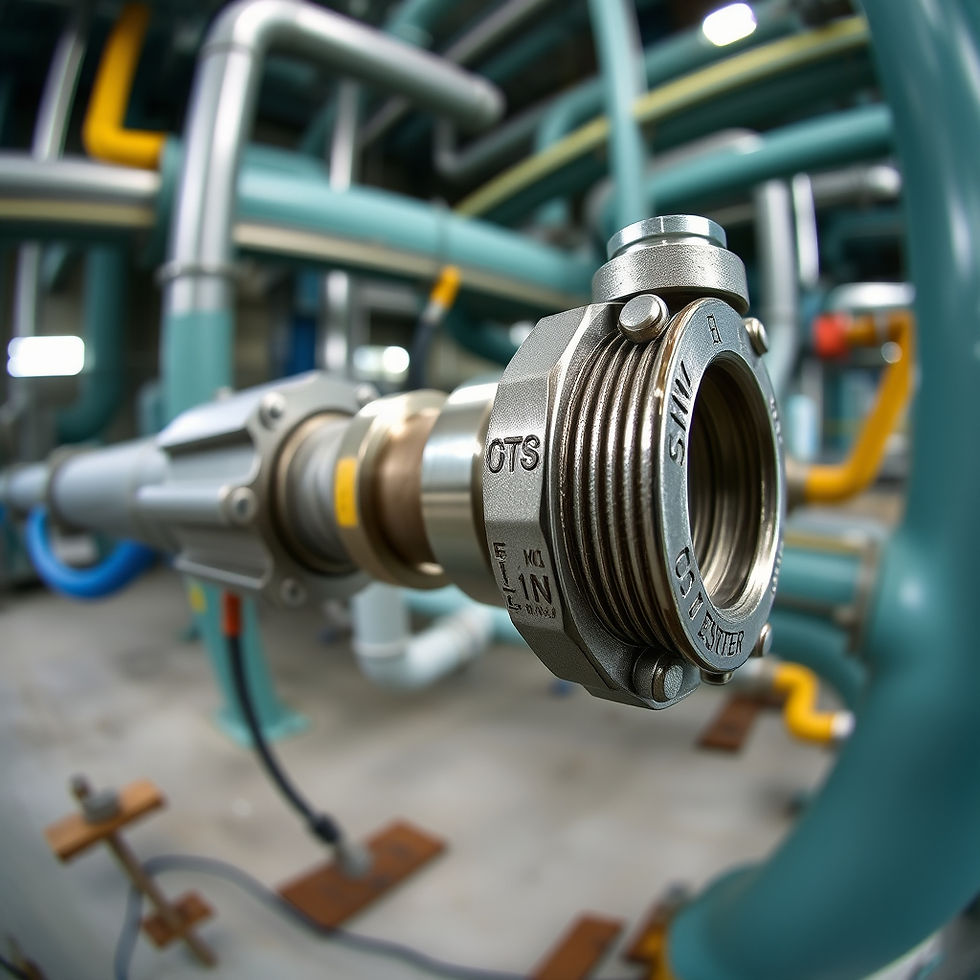
Threaded fittings such as BSP allow easy installation in tanks and pipelines.
Custom sensor assemblies can combine different elements, cables, and connectors for specialised setups.
This flexibility means users can build the perfect sensor for their environment, ensuring optimal performance and longevity.
Choosing the Right RTD Sensor
Selecting the best RTD sensor depends on several factors:
Temperature range: Match sensor construction to the expected temperature extremes.
Accuracy class: Class A sensors offer tighter tolerances for critical measurements.
Installation environment: Consider exposure to chemicals, moisture, vibration, or hygiene requirements.
Response time: Thin probes and surface sensors respond faster than bulkier designs.
Connection type: Threaded fittings, flanges, or magnetic mounts affect ease of installation and maintenance.
Cable type and length: Choose cables that resist environmental stresses and fit installation layouts.
Consulting with sensor suppliers or using custom probe builders can simplify this process and ensure the sensor meets all operational demands.
Benefits of Using Precision RTD Sensors
Investing in high-quality RTD sensors brings several benefits:
Improved process control: Accurate temperature data helps maintain consistent product quality.
Reduced downtime: Reliable sensors minimise unexpected failures and maintenance needs.
Regulatory compliance: Food-safe and hygienic sensors support safety standards.
Energy savings: Precise HVAC monitoring reduces waste and lowers costs.
Versatility: Wide range of sensor types and customization options suit many industries.
These advantages translate into better operational efficiency, safety, and cost-effectiveness.


