.png)
WindSpeed Wired and Wireless Sensors for Safety and Alerts
Construction sites, cranes, pallet stacking areas, facilities, buildings, and bridges all face challenges related to safety and operational efficiency. One critical factor that impacts these environments is wind speed. Sudden gusts or sustained high winds can cause accidents, damage equipment, and delay projects. Using reliable wind speed sensors helps teams monitor conditions in real time and respond quickly to potential hazards.
This post explores the benefits of using WindSpeed wired and wireless sensors in construction and related fields. It explains how these sensors improve safety through relay and local alarms, and how ProSense’s solutions add value by meeting market needs effectively.

Why Wind Speed Monitoring Matters in Construction and Infrastructure
Wind conditions can change rapidly and unpredictably on construction sites and around large structures. High winds can:
Cause cranes to sway dangerously or collapse
Lead to pallet stacks toppling over
Damage scaffolding and temporary structures
Create unsafe conditions for workers at height
Delay critical operations like concrete pouring or steel lifting
Monitoring wind speed helps teams make informed decisions about when to pause work or activate safety protocols. It reduces the risk of accidents and costly downtime.
Advantages of Wired and Wireless WindSpeed Sensors
WindSpeed sensors come in two main types: wired and wireless. Each has distinct benefits depending on the application and site conditions.
Wired Sensors
Reliable data transmission: Wired connections provide stable, continuous data flow without interference.
Power supply: They often draw power from the main system, reducing the need for battery changes.
Ideal for permanent installations: Wired sensors suit long-term monitoring on buildings, bridges, and fixed cranes.
Wireless Sensors
Easy installation: Wireless sensors can be placed quickly without running cables, saving time and labor.
Flexibility: They can be moved or repositioned as site conditions change.
Remote monitoring: Wireless sensors transmit data to central systems or mobile devices, enabling real-time alerts even from remote locations.
Combining wired and wireless sensors allows comprehensive coverage of a site, ensuring no blind spots in wind monitoring.
Relay and Local Alarms for Immediate Alerts
WindSpeed sensors from ProSense include relay outputs and local alarms that trigger when wind speeds exceed preset thresholds. This feature is crucial for safety:
Relay outputs can automatically shut down cranes or other equipment to prevent accidents.
Local alarms provide audible or visual warnings to workers on site, prompting immediate action.
These alerts reduce response time and help avoid damage or injury.
For example, if wind speed surpasses 20 mph near a crane, the sensor can activate a relay to stop crane movement and sound an alarm to alert operators and ground personnel.
How ProSense Adds Value to Market Requirements
ProSense understands the unique demands of construction and infrastructure markets. Their WindSpeed sensors offer:
Durability: Sensors are built to withstand harsh outdoor environments, including rain, dust, and extreme temperatures.
Accuracy: High-precision measurements ensure reliable data for critical decisions.
Integration: Sensors easily connect with existing site management systems and safety controls.
Customization: Settings for alarm thresholds and relay functions can be tailored to specific site needs.
Support: ProSense provides expert guidance on sensor placement, installation, and maintenance.
By addressing these factors, ProSense helps construction managers improve safety, reduce downtime, and maintain compliance with regulations.
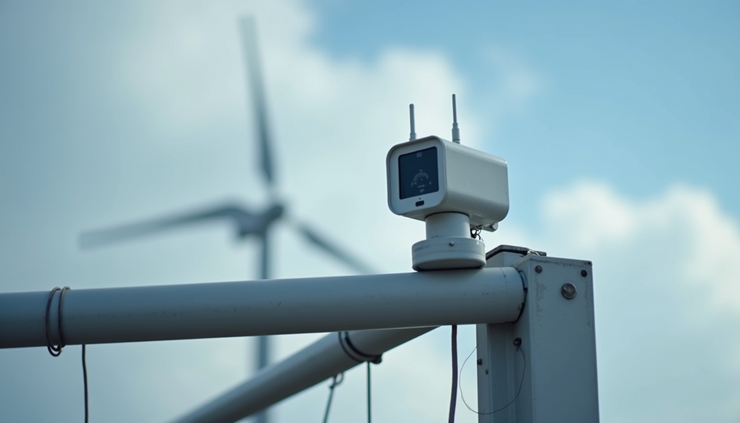
Practical Examples of WindSpeed Sensor Use
Cranes: A large urban construction project used ProSense wired sensors on tower cranes. When wind speeds exceeded safe limits, the system automatically halted crane operations, preventing accidents and equipment damage.
Pallet stacking yards: Wireless sensors monitored wind conditions in open storage areas. Alerts allowed workers to secure stacks before gusts could cause collapses.
Bridges: Sensors installed on bridges provided continuous wind data to maintenance teams. Early warnings helped schedule inspections and repairs during calm weather.
Facilities and buildings: WindSpeed sensors integrated with building management systems triggered alarms during storms, enabling quick response to protect windows, signage, and rooftop equipment.
Choosing the Right Sensor Setup
Selecting the best combination of wired and wireless sensors depends on:
Site size and layout
Permanence of structures
Power availability
Communication infrastructure
Safety protocols and regulatory requirements
Consulting with ProSense experts ensures the sensor network matches operational needs and maximises safety benefits.
WindSpeed sensors play a vital role in construction and infrastructure safety. Their ability to provide real-time data, trigger alarms, and integrate with control systems helps teams avoid accidents and costly delays. ProSense’s durable, accurate, and flexible sensor solutions meet the specific demands of these markets, supporting safer and more efficient operations.


