.png)
Preventing Temperature and Humidity Fluctuations in Cold Chain Transportation for Quality Assurance
Cold chain transportation plays a critical role in preserving the quality of perishable goods, medicines, and food products. Yet, a hidden threat often undermines this process: fluctuations in temperature and humidity. These changes can cause significant damage to cargo, leading to spoilage, loss of efficacy, customer dissatisfaction, and harm to brand reputation. If you manage cold chain logistics, understanding and controlling these fluctuations is essential to protect your products and your business.
Why Temperature and Humidity Matter in Cold Chain Transportation
Maintaining a stable environment during transportation is not just a technical requirement; it is a matter of product safety and effectiveness. Temperature and humidity directly affect the physical and chemical stability of many goods:
Food spoilage: Items like ice cream, dairy, and refrigerated meat require strict temperature control. Even a small rise above the recommended temperature can accelerate bacterial growth, causing spoilage and foodborne illnesses.
Drug efficacy: Many pharmaceuticals lose potency if exposed to temperatures outside their specified range. This can lead to ineffective treatment and health risks for patients.
Customer trust: Damaged goods result in complaints, returns, and lost sales. Repeated failures damage brand reputation and customer loyalty.
The challenge lies in the fact that temperature and humidity can fluctuate due to various factors during transit, including loading delays, equipment failure, or environmental conditions.
Common Causes of Temperature and Humidity Fluctuations
Understanding what causes these fluctuations helps in preventing them:
Inadequate refrigeration equipment: Poorly maintained or malfunctioning refrigeration units fail to maintain consistent temperatures.
Frequent door openings: Each time a refrigerated container is opened, warm air enters, causing temperature spikes.
Long transit times: Extended transportation increases the risk of environmental exposure and equipment strain.
Improper packaging: Packaging that does not insulate or protect against moisture can allow humidity changes.
Lack of real-time monitoring: Without continuous data, temperature and humidity changes go unnoticed until damage occurs.
How Temperature and Humidity Recorders Help
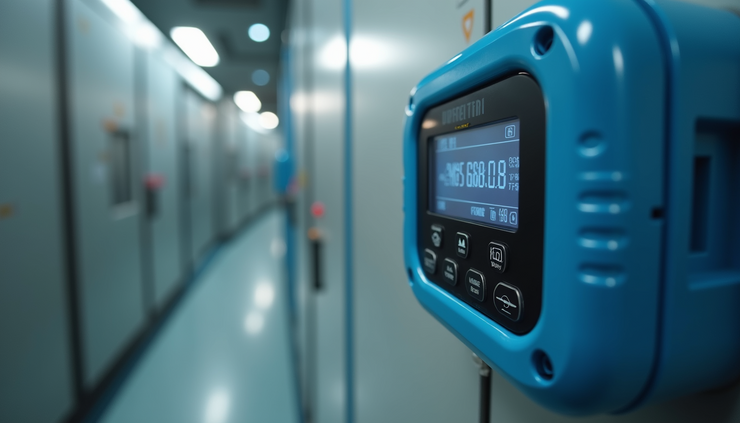
A practical and effective solution to this problem is the use of temperature and humidity recorders. These devices monitor environmental conditions throughout the transportation process, providing valuable data to ensure product safety.
Benefits of Using Recorders
Continuous monitoring: Recorders track temperature and humidity in real time, alerting operators to any deviations.
Data logging: They store historical data, which helps identify when and where fluctuations occurred.
Improved accountability: With recorded evidence, companies can verify compliance with storage requirements.
Faster response: Early detection allows for immediate corrective actions, reducing product loss.
Customer confidence: Sharing monitoring data with clients demonstrates commitment to quality assurance.
Types of Recorders
Standalone data loggers: Small, portable devices placed inside shipments.
Integrated sensors: Built into refrigeration units for continuous feedback.
Wireless systems: Transmit data remotely for real-time tracking.
Best Practices to Minimize Fluctuations
Using recorders is only part of the solution. Combining them with operational best practices ensures the highest level of control:
Regular equipment maintenance: Keep refrigeration units clean and serviced to prevent breakdowns.
Pre-cooling shipments: Ensure goods and containers are at the correct temperature before loading.
Limit door openings: Plan loading and unloading to minimize exposure to outside air.
Use proper packaging: Insulated and moisture-resistant packaging helps maintain stable conditions.
Train staff: Educate handlers on the importance of temperature control and how to respond to alerts.
Analyze data regularly: Review recorder logs to identify patterns and improve processes.

Real-World Example: Protecting Vaccines During Transport
Vaccines require strict temperature control, often between 2°C and 8°C. A pharmaceutical company transporting vaccines across multiple regions implemented wireless temperature and humidity recorders in their cold chain. When a refrigeration unit malfunctioned during transit, the system sent an immediate alert. The shipment was rerouted to a nearby facility, preventing spoilage and ensuring the vaccines remained effective. This proactive monitoring saved the company from significant financial loss and protected public health.
Final Thoughts on Cold Chain Quality Assurance
Temperature and humidity fluctuations are a silent threat in cold chain transportation, but they can be managed effectively. Using temperature and humidity recorders combined with sound operational practices helps maintain product quality, reduces losses, and builds customer trust. If you want to safeguard your shipments and reputation, investing in reliable monitoring technology and training your team is a smart step forward.


