Ensuring Safe Drinking Water in Rural Areas: Challenges and Innovative Solutions
- tass peters
- Dec 2, 2025
- 3 min read

Access to safe drinking water remains a pressing challenge in many rural areas. Unlike urban centers, where water treatment and supply systems are often well-developed, rural communities frequently rely on natural sources such as rivers, springs, reservoirs, and shallow groundwater. These sources face contamination risks from various pollutants, including pesticides, fertilisers, industrial waste, and garbage. The lack of proper water treatment facilities and low construction standards for drinking water projects further worsen the situation. This post explores the key challenges rural areas face in securing safe drinking water and highlights how modern technology, especially IoT and RTU systems, can help improve water safety and management.

Challenges Affecting Drinking Water Safety in Rural Areas
Pollution from Farms and Industrial Sources
Rural water sources often suffer from contamination due to the unreasonable use of pesticides and fertilizers on farms. These chemicals can seep into groundwater or run off into surface water during rainfall. Additionally, industrial pollution contributes harmful substances through wastewater and waste gas, which eventually enter drinking water sources. Garbage disposal practices in rural areas also add to the pollution load, with random discharge contaminating water bodies.
Low Rate of Centralised Water Supply
Many rural communities lack centralised water supply systems. Instead, they depend on direct water extraction from natural sources without adequate treatment. This reliance increases the risk of exposure to harmful substances, including pesticides and minerals, which can cause serious health problems over time.
Insufficient Water Treatment and Infrastructure
Water supply facilities in rural areas are often simple and outdated. Most places have minimal or no water treatment equipment, and the construction standards for drinking water projects are low. Management systems are incomplete, leading to poor monitoring and delayed responses to water quality issues.
How Technology Supports Rural Drinking Water Safety
Modern technology offers practical solutions to address these challenges. The rural drinking water safety program integrates several components that work together to monitor, control, and improve water quality and supply.
Front-End Data Collection and Control
At the source, various sensors and devices collect real-time data on water conditions:
Water level gauges monitor the amount of available water.
Flow meters measure the volume of water being extracted or supplied.
Water quality meters detect pollutants and harmful substances.
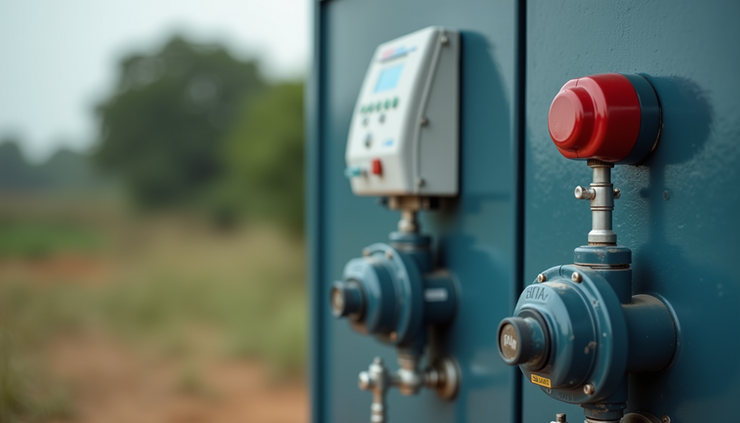
Pump starter cabinets and pressure transmitters regulate water flow and pump operation to meet demand.
Cameras installed at water sites provide real-time images, allowing operators to monitor equipment status and respond quickly to emergencies.
Wireless Data Transmission Using IoT and RTU
Data collected at the front end is transmitted wirelessly using 4G or 5G signals. Remote Terminal Units (RTUs) play a key role in this process by sending data transparently or using specific protocols to city and county-level monitoring platforms. This wireless communication ensures timely and reliable data flow without the need for extensive wiring infrastructure.
Back-End Monitoring and Analysis Systems
Once data reaches the monitoring platform, it undergoes integration and analysis. Operators can track water levels, flow rates, and quality indicators in real time. This system helps identify pollution events early, optimise water usage, and maintain consistent water supply standards.
Practical Examples of Improved Water Safety in Rural Areas
Several rural communities have successfully implemented these technologies to improve drinking water safety:
A county in China installed water quality meters and RTUs at multiple wells. The system alerted operators when pesticide levels rose after heavy rains, allowing immediate action to prevent contaminated water distribution.
In parts of India, wireless data transmission enabled remote monitoring of water pumps, reducing downtime and ensuring continuous supply during dry seasons.
Some farms integrated IoT sensors to monitor fertilizer runoff, adjusting application rates to minimize groundwater contamination.
These examples show how combining traditional water sources with modern monitoring and control systems can protect rural populations from waterborne risks.
What Rural Communities Can Do Next
To improve drinking water safety, rural areas should focus on:
Investing in water treatment facilities that match local needs and resources.
Deploying IoT and RTU-based monitoring systems for real-time data collection and control.
Training local operators to manage and maintain water infrastructure effectively.
Promoting sustainable farming practices to reduce chemical runoff.
Establishing clear management standards for drinking water projects.
By taking these steps, rural communities can reduce pollution risks and ensure safer drinking water for their residents.


