Efficient Cold Room Temperature Monitoring to Enhance Food Storage Safety
- Mar 1
- 3 min read
Maintaining the right temperature in cold rooms is critical for preserving food quality and safety. Traditional manual temperature checks leave gaps between inspections, increasing the risk of spoilage and regulatory non-compliance. Continuous temperature monitoring offers a reliable solution, providing real-time data and alerts that help food storage facilities maintain optimal conditions at all times.

Why Temperature Control Matters in Food Storage
Cold rooms store perishable items such as meat, dairy, fruits, and vegetables. These products require strict temperature ranges to slow bacterial growth and maintain freshness. Even small temperature fluctuations can cause:
Food spoilage leads to waste and financial loss
Health risks from contaminated or unsafe food
Regulatory penalties for failing to meet safety standards
Manual temperature checks typically occur a few times a day, leaving long periods when temperature changes can go unnoticed. This gap increases the chance of unnoticed failures in refrigeration equipment or door seals.
How Continuous Temperature Monitoring Works
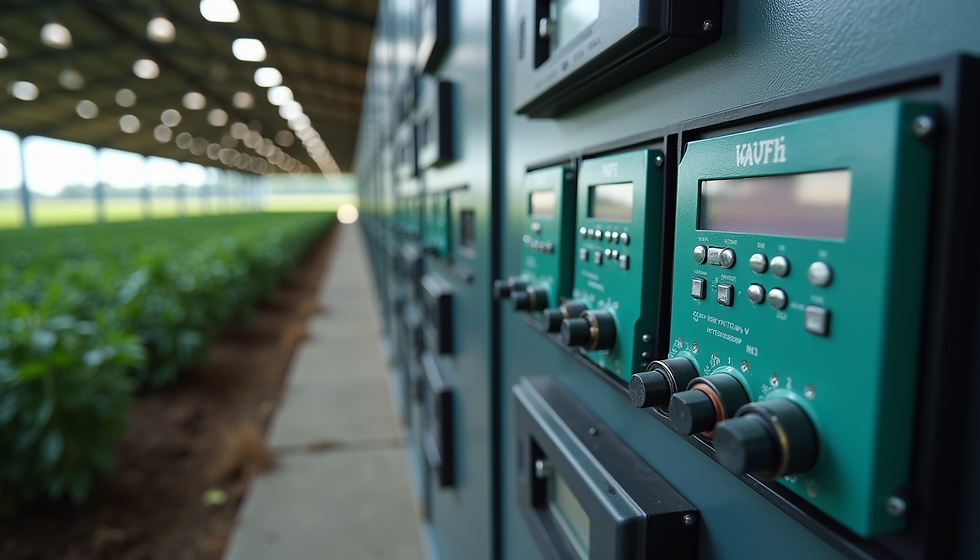
Continuous temperature monitoring systems use sensors placed strategically throughout the cold room. These sensors record temperature data at frequent intervals and transmit it to a central system. Key features include:
Real-time alerts sent via SMS or email if temperatures move outside safe ranges
Automated data logging for audit trails and compliance documentation
Remote access allowing managers to check conditions anytime from smartphones or computers
ProSense implemented such a system across commercial cold rooms, replacing manual checks with automated monitoring. This approach ensures that temperature control is consistent and verifiable.
Benefits of Automated Temperature Monitoring
Reduced Risk of Spoilage
Continuous monitoring detects temperature deviations immediately, allowing staff to act before food quality deteriorates. For example, if a refrigeration unit fails overnight, an alert can prompt a quick response, preventing large-scale spoilage.
Improved Compliance and Record-Keeping
Food safety regulations require detailed temperature records. Automated systems generate audit-ready reports without manual data entry, reducing errors and administrative burden. This transparency supports inspections and builds trust with regulators.
Increased Operational Efficiency
Staff no longer need to perform frequent manual checks, freeing time for other tasks. The system’s alerts focus attention only when intervention is necessary, improving workflow and reducing stress.
Confidence in Food Safety
As one facility manager noted, “Continuous monitoring gave us confidence that temperatures were being maintained between checks, not just during inspections.” This peace of mind supports better decision-making and customer satisfaction.

Implementing Continuous Monitoring: Practical Tips
Choose the Right Sensors and Placement
Sensors should cover all critical zones, including near doors, refrigeration units, and storage racks. Proper placement ensures accurate readings and early detection of temperature variations.
Set Clear Alert Thresholds
Define temperature limits based on the types of food stored. Alerts should trigger promptly when temperatures approach unsafe levels, allowing time for corrective action.
Train Staff on Response Procedures
Monitoring is only effective if staff know how to respond to alerts. Establish clear protocols for investigating and resolving temperature issues quickly.
Regularly Maintain Equipment
Sensors and refrigeration units require routine checks to ensure accuracy and reliability. Scheduled maintenance prevents false alarms and system failures.
Real-World Impact: ProSense Case Study
ProSense’s deployment of continuous temperature monitoring transformed cold room management for several commercial food storage facilities. By replacing manual checks with automated alerts and comprehensive records, these facilities:
Reduced spoilage incidents by over 30% within the first six months
Improved compliance scores during regulatory audits
Saved hundreds of staff hours previously spent on manual temperature logging
This example shows how technology can directly improve food safety and operational outcomes.
Final Thoughts on Cold Room Temperature Monitoring
Maintaining safe temperatures in cold rooms is essential for food quality, safety, and regulatory compliance. Continuous temperature monitoring provides a clear advantage over manual checks by offering real-time data, automated alerts, and reliable records. Facilities that adopt this technology reduce spoilage risk, improve efficiency, and gain confidence in their food storage practices.